
JUAN DOLIO
Hurricane Season on the Juan Dolio Coast
Caribbean Suites · Published · Edited 2026-10-19
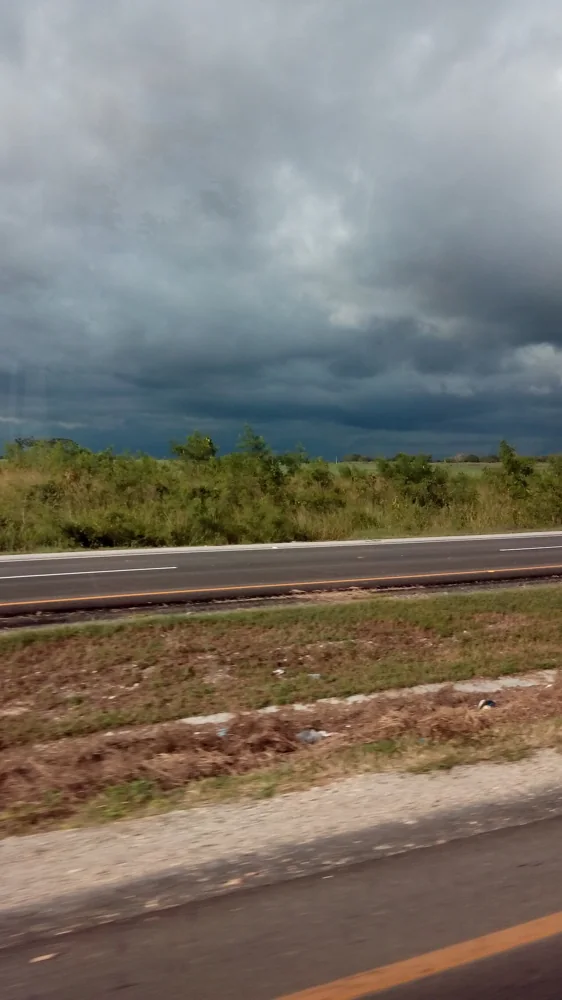
Plan for severe weather before it becomes an immediate concern. Know where to obtain current warnings, how your accommodation manages an emergency and what your insurance and transport arrangements cover.
When is hurricane season, and when does it actually matter?
A seasonal count is not a risk forecast for one beach anyway. One system on the wrong track matters more than ten that stay out at sea.
How does the south coast's exposure differ from the north and east?
By geometry, and the published record reflects it rather than a theory about it. Atlantic systems reaching Hispaniola normally approach from the east or south-east. That puts the eastern provinces and the north coast in the way of more direct entries, while the south coast west of La Romana sees a large number of systems that track along it offshore rather than into it. In the compilation we read, the most common route description for south-coast events is some version of "Sur frente a costa" — passing in front of the coast.
Passing offshore is not the same as harmless. A system to the south pushes water and swell onto a low, reef-fronted beach strip from the one direction the reef does least about, and it rains on the whole island regardless of where the centre goes. Hurricane Georges in 1998 came ashore in the eastern Dominican Republic and still produced a 7-foot (2.1 m) surge that damaged cities along the southern coastline, including the capital.
The other half of the geometry is the mountains. Systems that cross the island inland lose structure over high terrain, which is why the Dominican death tolls in the record are so often flood and landslide tolls rather than wind tolls.
What has actually hit this stretch of coast?
Less than the national history suggests, and the record is coarse.
Where do you get warnings, and what do the colours mean?
From two institutions, and they do different jobs.
What does a building's hurricane specification actually mean?
It means a set of tested assemblies and a design reference, and you can ask to see both. The part that does most of the work is the openings. Impact resistance for windborne debris is tested to ASTM E1886 as a test method and ASTM E1996 as a performance specification, with a large-missile test applying to glazing in the lower 9 m (30 ft) of a building and a small-missile test above it. Laminated glass is not unbreakable; it breaks and holds, which is what keeps wind and water out of the opening afterwards.
What to ask, in writing: which standard and missile level the window and door assemblies were tested to; whether the glazing is laminated, and where; what protects the rooftop plant; how the drainage was sized; and the name and professional registration of the engineer of record.
What does insurance here actually cover?
- Hurricane cover is an add-on. The peril is named "HURACAN, CICLON, TORNADO Y MANGA DE VIENTO (e Incendio a consecuencia)" and applies only if the particular conditions list it and the extra premium is paid. Wind-driven rain damage is a separate add-on again.
- Flood and sea surge are an add-on. "INUNDACION Y/O RAS DE MAR, cualquiera que sea la causa que lo origine". Rain or water that is neither flood nor ras de mar (sea surge) is expressly excluded: "No quedan comprendidos bajo esta cobertura cualesquiera otras pérdidas o daños causados por lluvia".
- We found no cover for the owner's own loss of rent. Consequential losses are excluded under the fire and allied-perils sections.
For an apartment there is a second layer: the condominium's master policy. Ask what it insures — the structure, the common areas, the rooftop plant — what its deductible is, who pays the deductible, and where the boundary falls between the master policy and your own contents and improvements.
What should an owner who is away do before the season?
Do it in May, not in September. The list below is the version for someone whose unit sits empty or let for part of the year.
- Settle insurance before 1 June. Confirm in writing that the hurricane and flood add-ons are on the policy, what the deductible is in pesos, and that the sum insured still reflects what rebuilding and re-furnishing would cost.
- Photograph and date everything. Room by room, including serial numbers on appliances and the condition of balcony doors and railings. A dated inventory is what turns a claim into a payment.
- Name a keyholder and write down what they are authorised to do — enter, remove balcony furniture, shut off water, move a vehicle, admit a loss adjuster.
- Clear the balcony plan in advance. Furniture, planters and anything on a rooftop terrace is the first thing to become a projectile, and the first thing nobody has time to move.
- Ask the building for its own storm procedure in writing — who closes the shutters, who shuts down the lift and the pumps, who refuels the generator, what happens to the pool.
- Fill the water storage and know where the shut-off is. A storm takes the power that runs the pump before it takes the water.
- Keep the documents off the island too — title, policy, HOA contacts, bank details, inventory — in a form you can open from anywhere.
What does a storm mean for a rental booking?
Commercially, it means cancellations in the two weeks either side of a system, and the terms that decide who absorbs them are written before the season.
Is there anything good about the season?
Yes, and it is water rather than weather — but the honest version of this argument is narrower than the version you will be sold.
What to do next
- Set your weather alerting on San Pedro de Macorís province, and follow Indomet for forecasts and the COE for alerts — they are not the same feed.
- Ask the condominium for its master policy summary and its written storm procedure before you buy, not after.
- Ask the seller or developer which standard the windows and doors were tested to, and at which missile level.
- Book travel in the six weeks either side of 10 September on terms you can change, and read the cancellation wording before the rate.
Further reading
Published by the team marketing Caribbean Suites.
Explore Caribbean Suites →