
JUAN DOLIO
The Juan Dolio Coast Under Pressure
Caribbean Suites · Published · Edited 2026-10-19
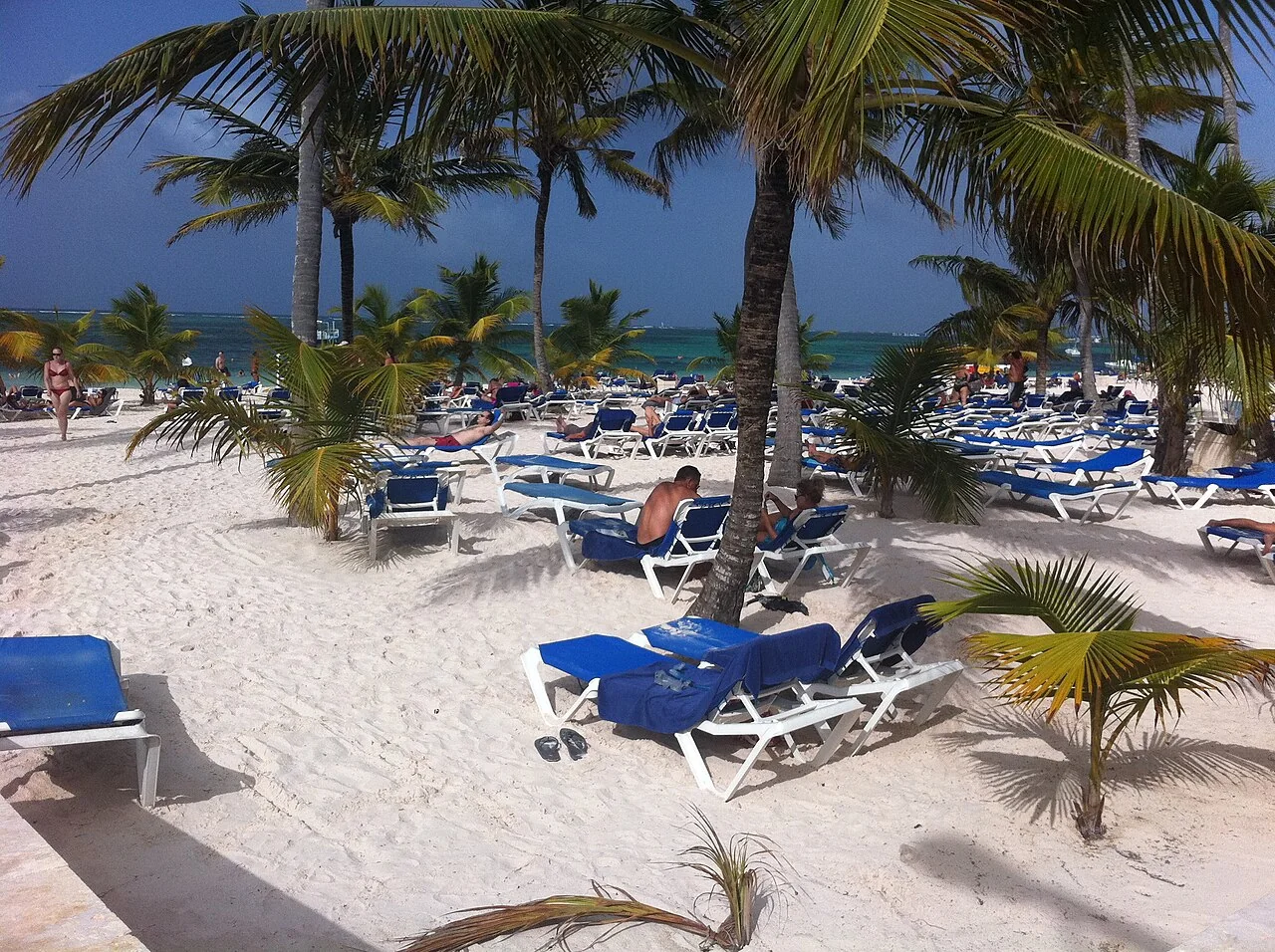
Beach quality depends on more than the view from an apartment. Consider wastewater management, runoff, waste, coastal works and the pressure created by visitors and development together.
Why write this as a developer?
Because the argument that sells this coast and the argument that protects it are the same argument, and pretending otherwise would be dishonest.
So this is not a warning against the destination. It is the specific version of what is under pressure here, what is being done about it, and what an owner can do that actually matters.
Were Juan Dolio's beaches artificially rebuilt?
Yes, in 2006, and this is the most important fact on this coast.
The diagnosis is where it gets uncomfortable. The erosion at Juan Dolio is attributed to two human causes: "la construcción de espigones y rompeolas sin estudios previos" — the building of groins and breakwaters without prior studies — and the building of architectural infrastructure on the dunes. Then the part that should be read twice. The study lists the dune construction at Juan Dolio among the support works that accompanied the regeneration and were not completed, and it states that semi-annual monitoring of every regenerated beach is indispensable, with support works needed to retain the sand. It warns, of another regenerated beach, that the investment will be lost if the erosion is not controlled.
- The sand on this coast is a managed asset, not a permanent feature. It was paid for once and it needs retaining works and monitoring to stay.
- Nobody has shown us a monitoring record. We looked for a beach-profile survey or shoreline-monitoring series for the Juan Dolio frontage after 2006 and did not find one.
Why does a wastewater plant matter to a reef?
What a buyer should take from it is narrower and more useful. Ask whether the specific building you are considering is connected to that network or runs its own treatment, because a plant in the town does nothing for a building that is not on it.
What is the fishing situation, and what is the veda?
- At the table. Lobster is a local speciality, so ask what is in season. Parrotfish should not be on a menu.
- With the boats. Guayacanes launches working boats. The veda system is a constraint on the livelihood of the people who live there, which is worth remembering before treating enforcement as somebody else's problem.
What can a resident or an owner actually do?
- Ask your building administration where the wastewater goes. Network, on-site plant, or neither. Put the question in writing at the owners' meeting and get the answer minuted.
- Keep off the coral and say so to guests. If you let your unit, put it in the welcome notes alongside the beach etiquette. Stony corals are legally protected under Decreto 318-86.
- Ask what is in season before you order lobster, and do not buy parrotfish.
Is this a reason not to buy in Juan Dolio?
No, and we would say so either way, so here is the reasoning rather than the reassurance. The pressures on this coast are the ordinary pressures of a developed Caribbean shoreline: a reef that does real physical work and can be degraded, a sand budget that has already needed one publicly funded repair, a sargassum season that is regional and getting heavier, wastewater capacity that has only just been rehabilitated, and fishing pressure managed by decree. None of that is hidden, and every item in it has a public document behind it.
What would be a reason for concern is the gap. There is no published monitoring record for the Juan Dolio shoreline since 2006 that we could find, the recommended semi-annual monitoring is unverified, and the dune works meant to hold the 2006 sand were never completed. That gap is the thing worth pressing on — by owners, by the municipality and by developers, including us.
What to do next
- Walk the frontage and look for groins, rock piles and revetments. Photograph them, dated.
- Ask your building administration, in writing, about wastewater connection and what the inverter and pumps cover during an outage.
- Ask whether the owners' association keeps a beach-profile or photographic record, and start one if not.
- Ask what is in season before ordering seafood, and keep parrotfish off the list.
- Read the beach guide for access and etiquette, and the coastal rules piece for what can be built behind the line.
Further reading
Published by the team marketing Caribbean Suites.
Explore Caribbean Suites →